Tiger Man
Keeping an ancient Thai performance tradition alive
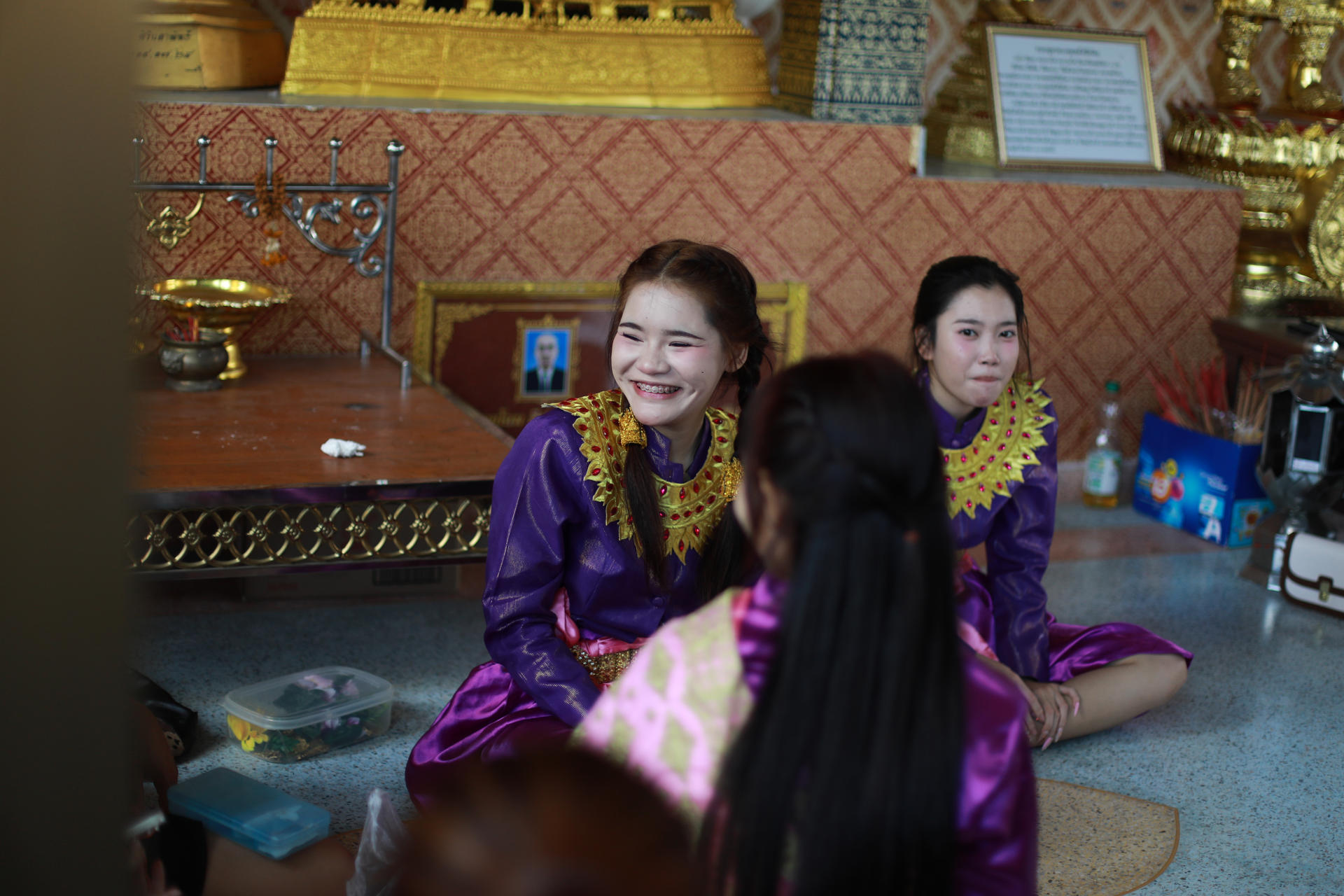
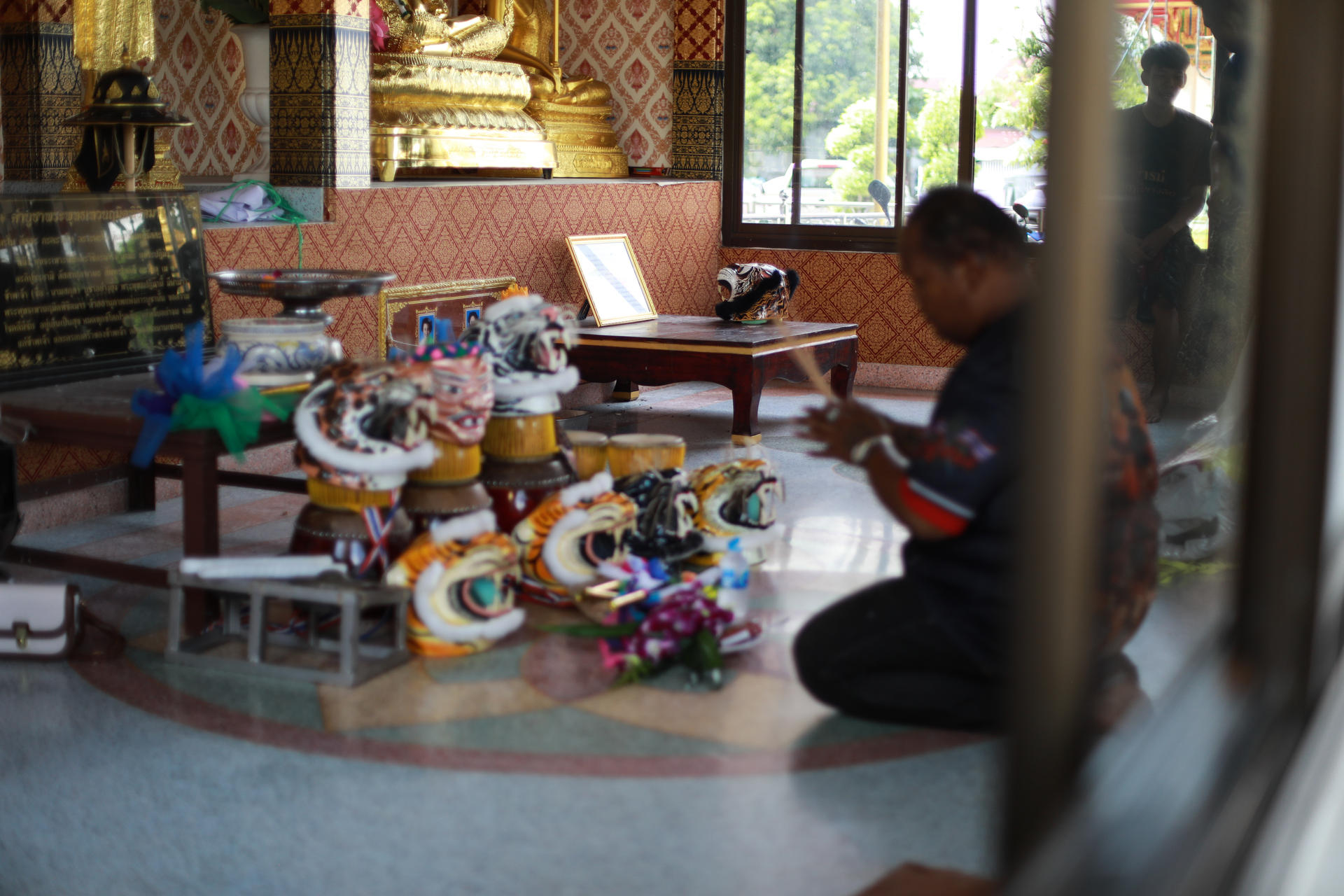
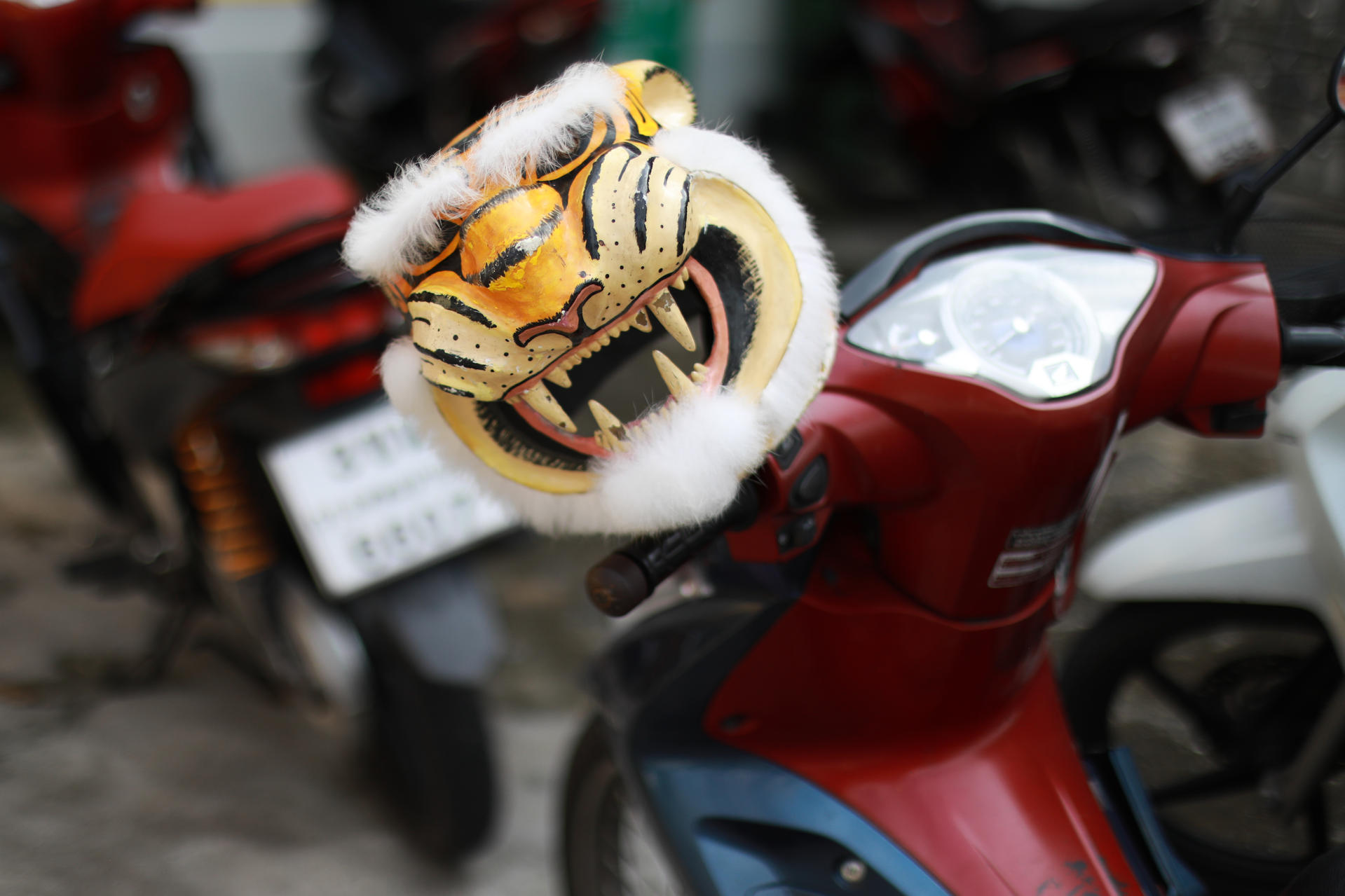
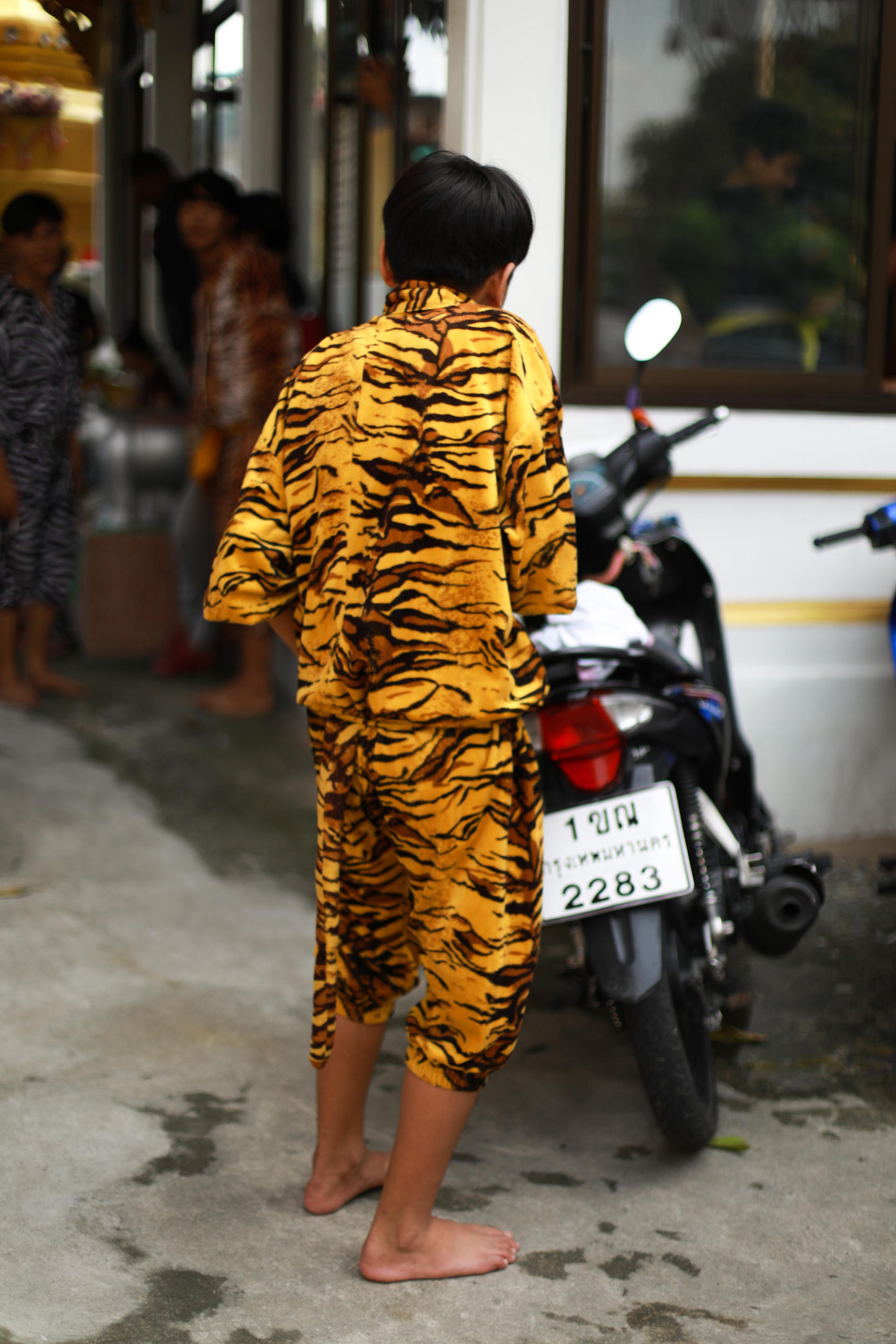
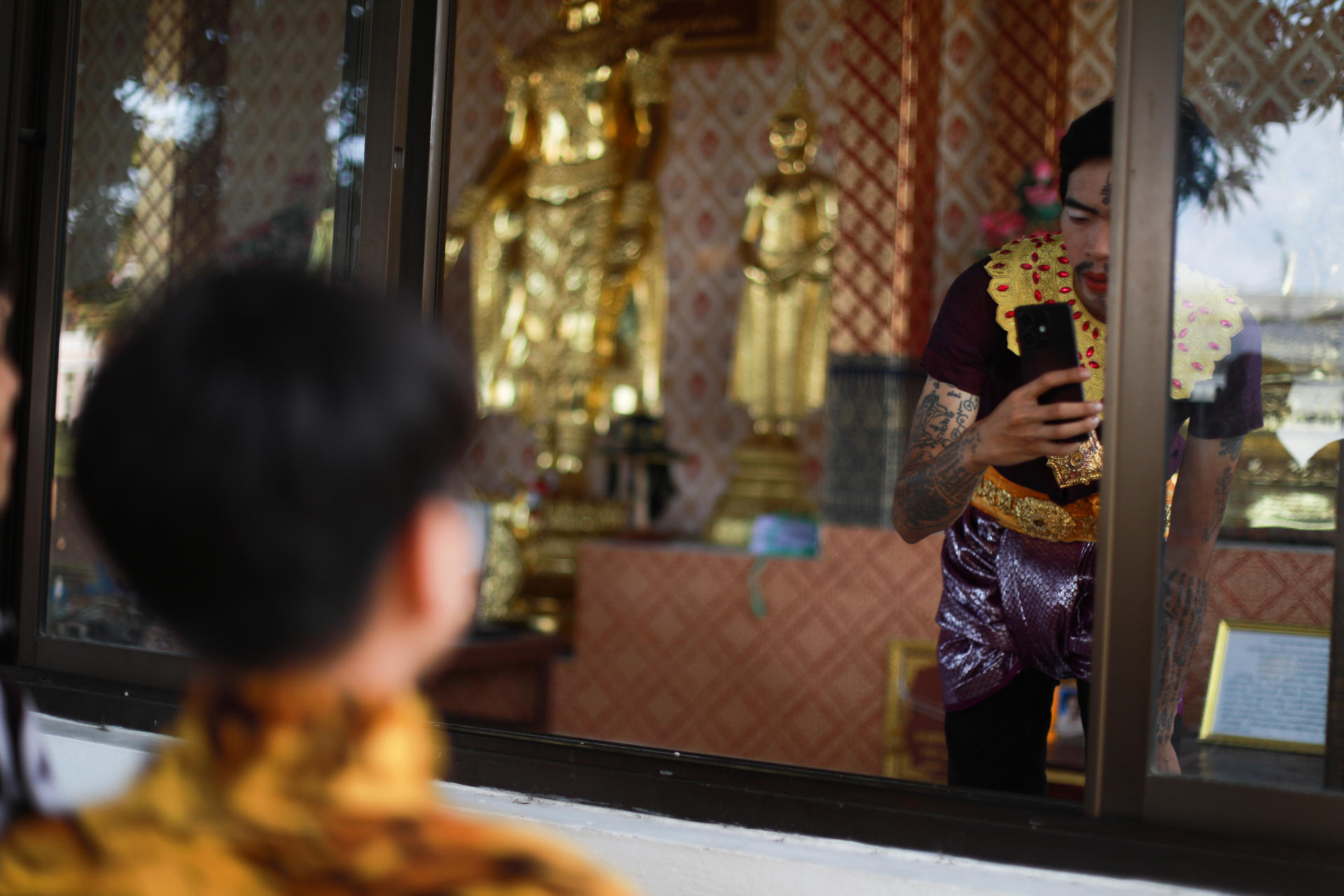
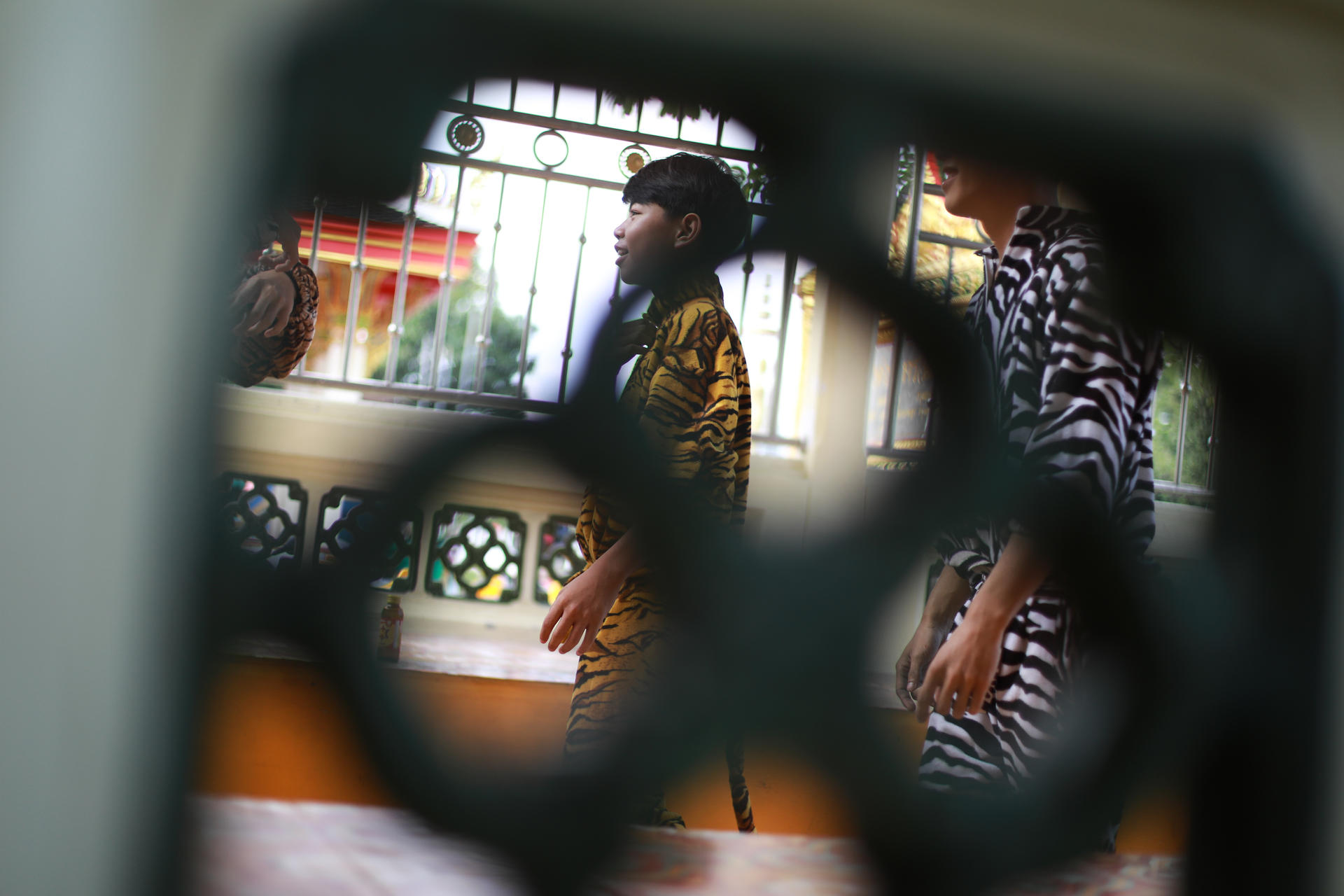
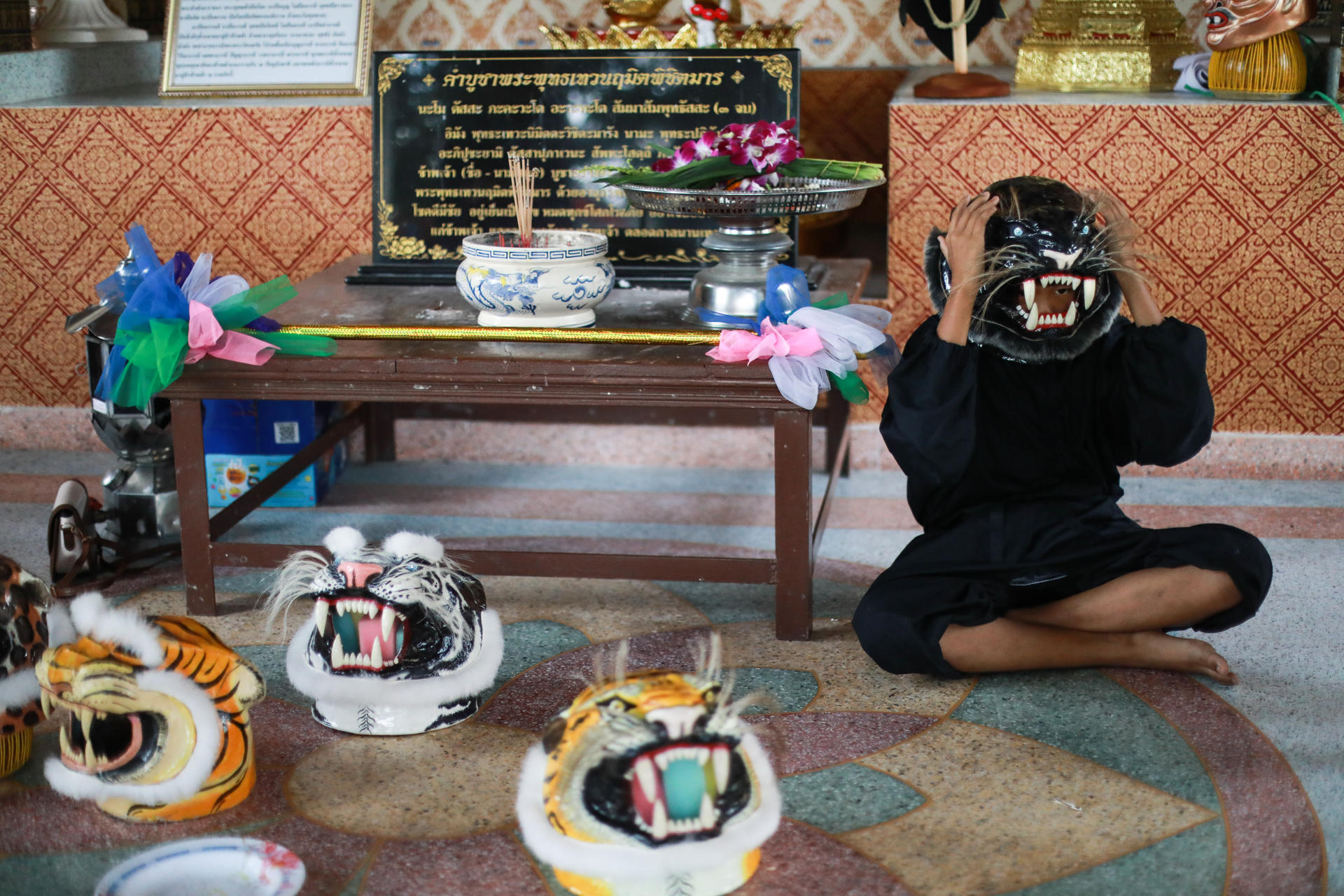
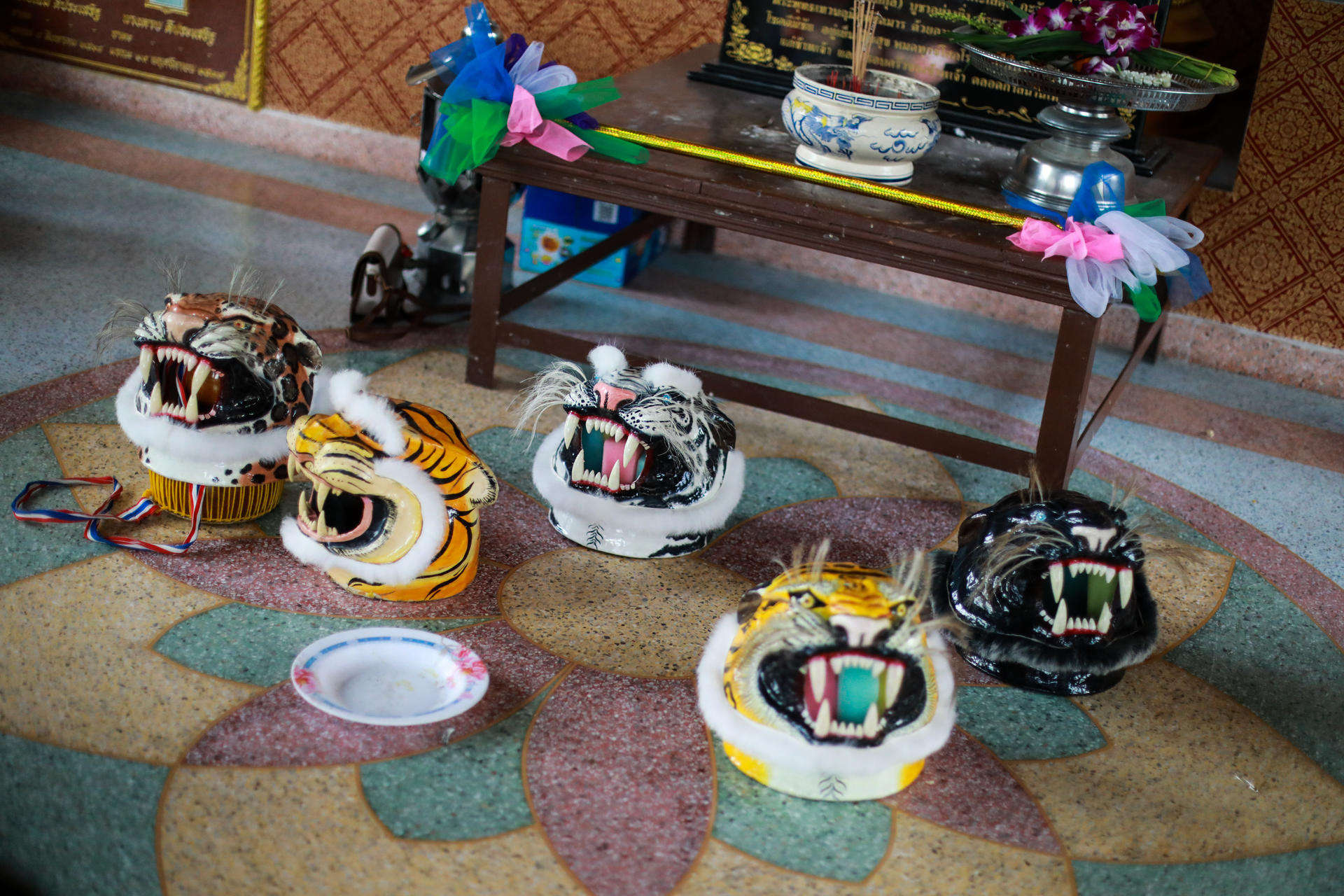
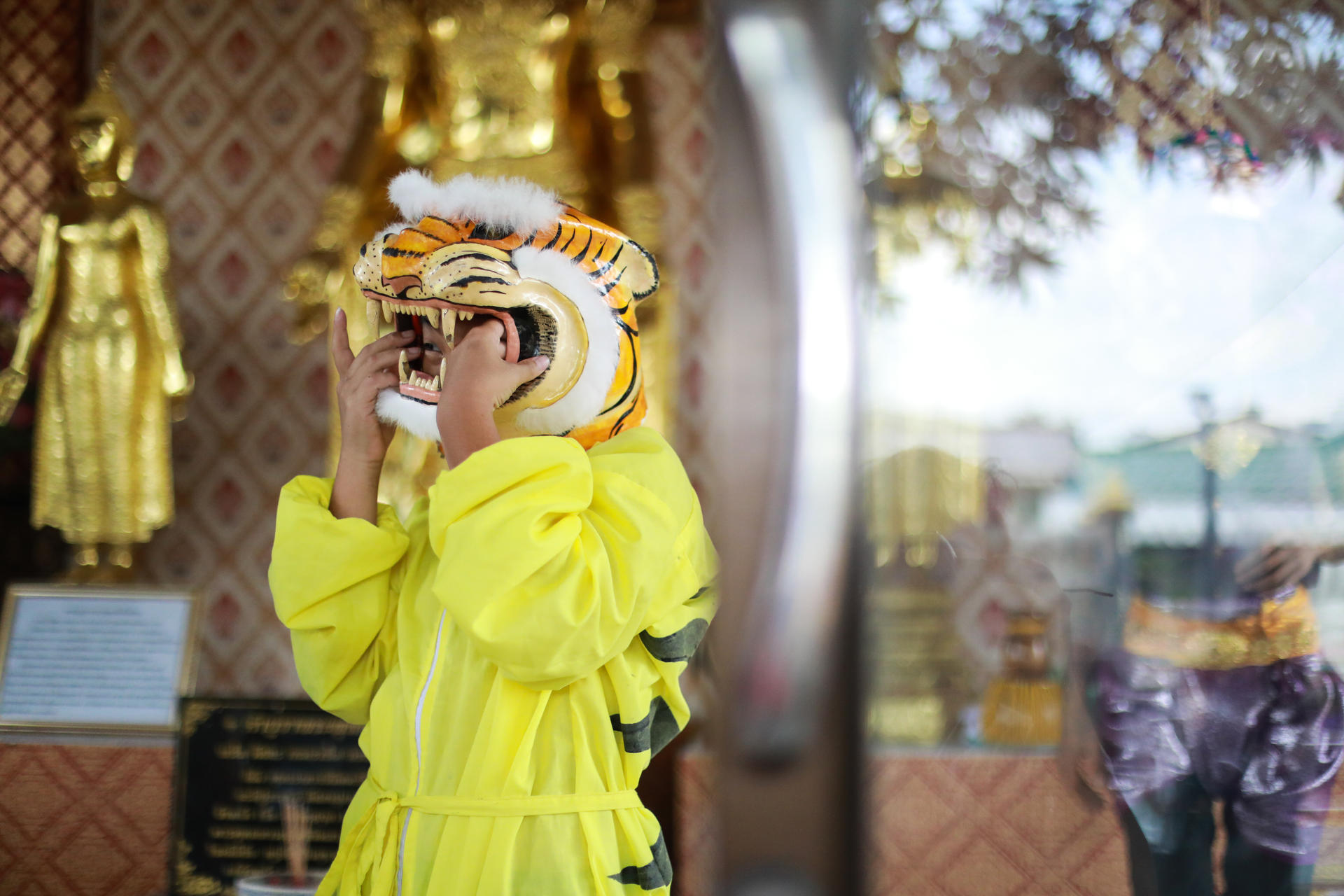
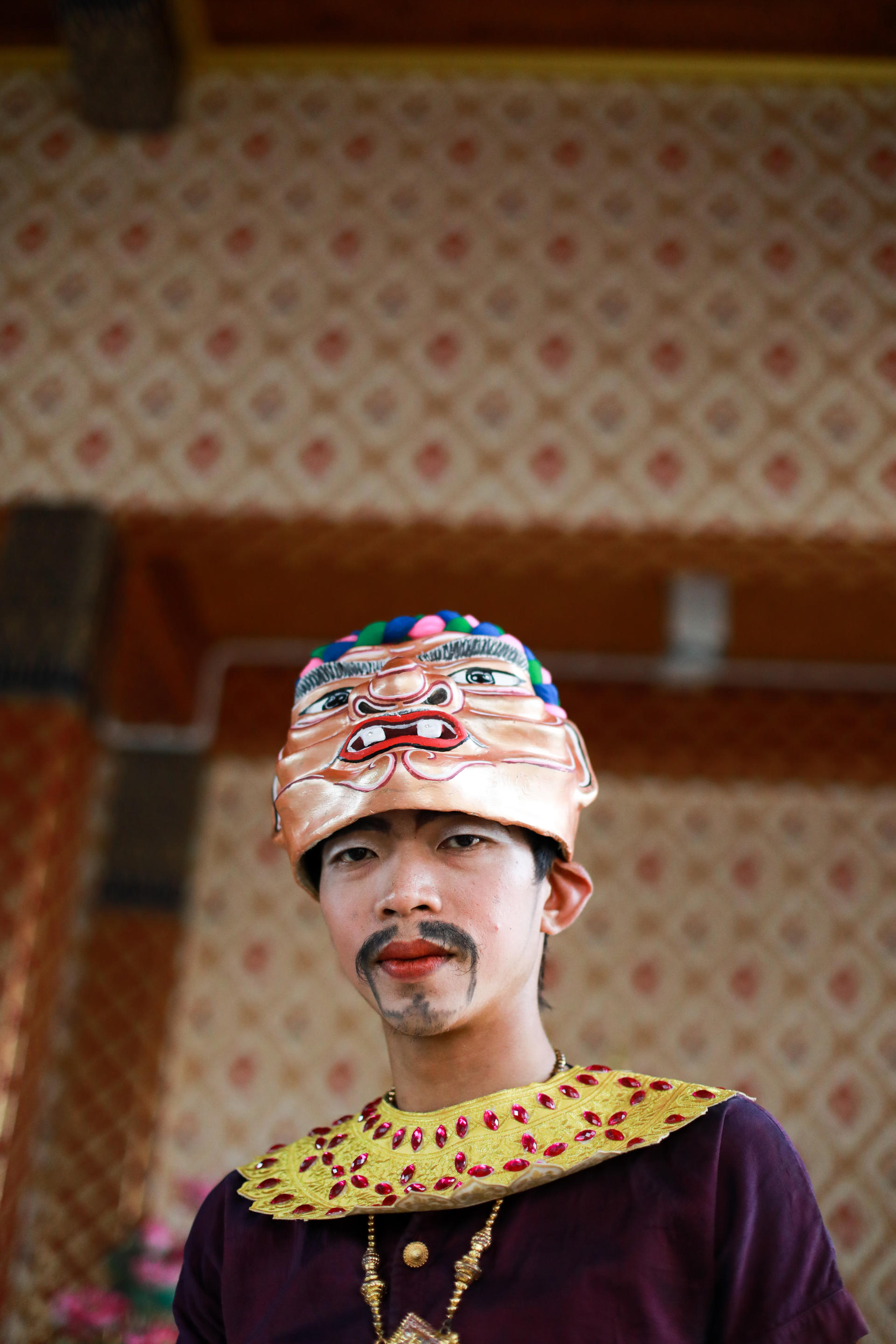
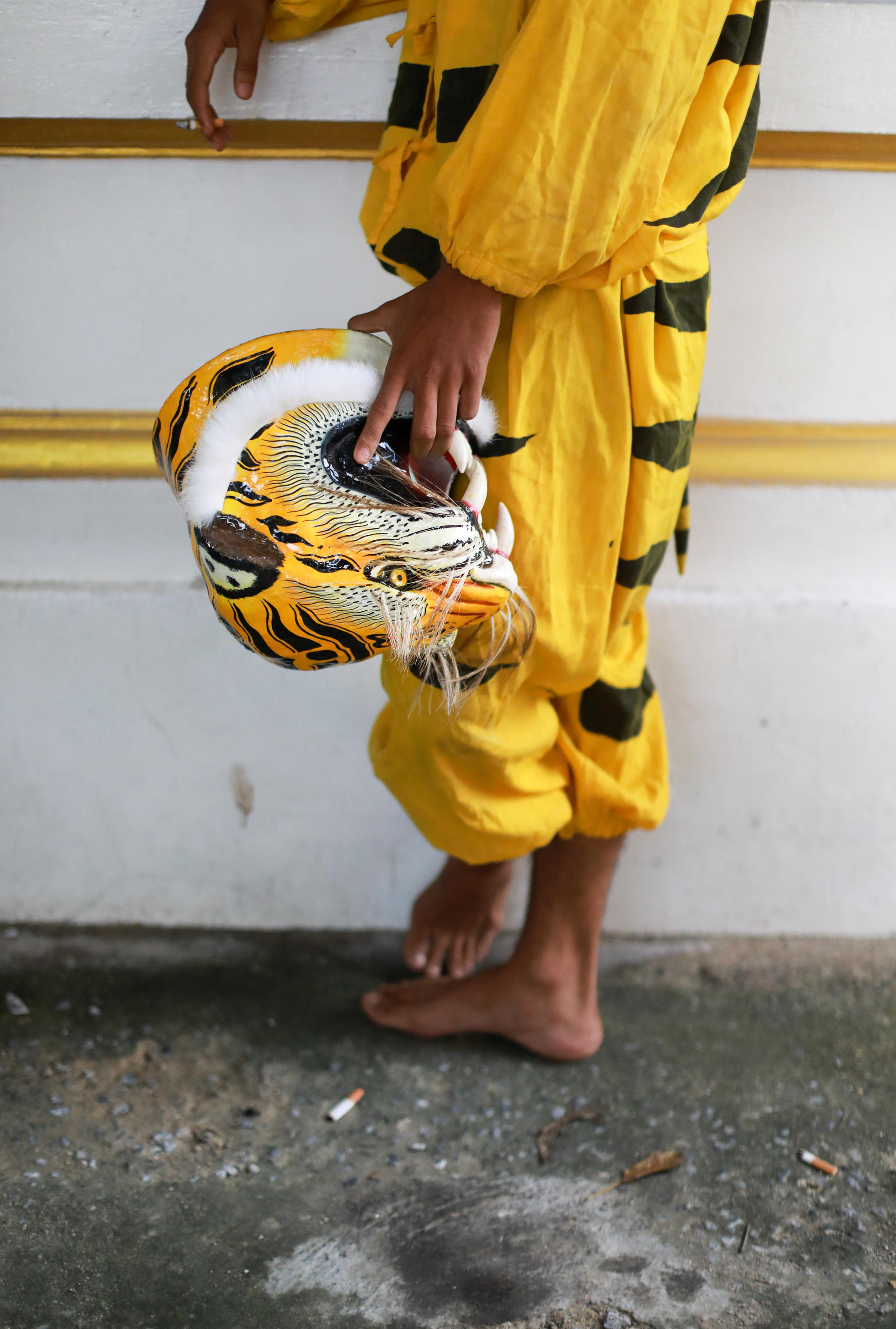
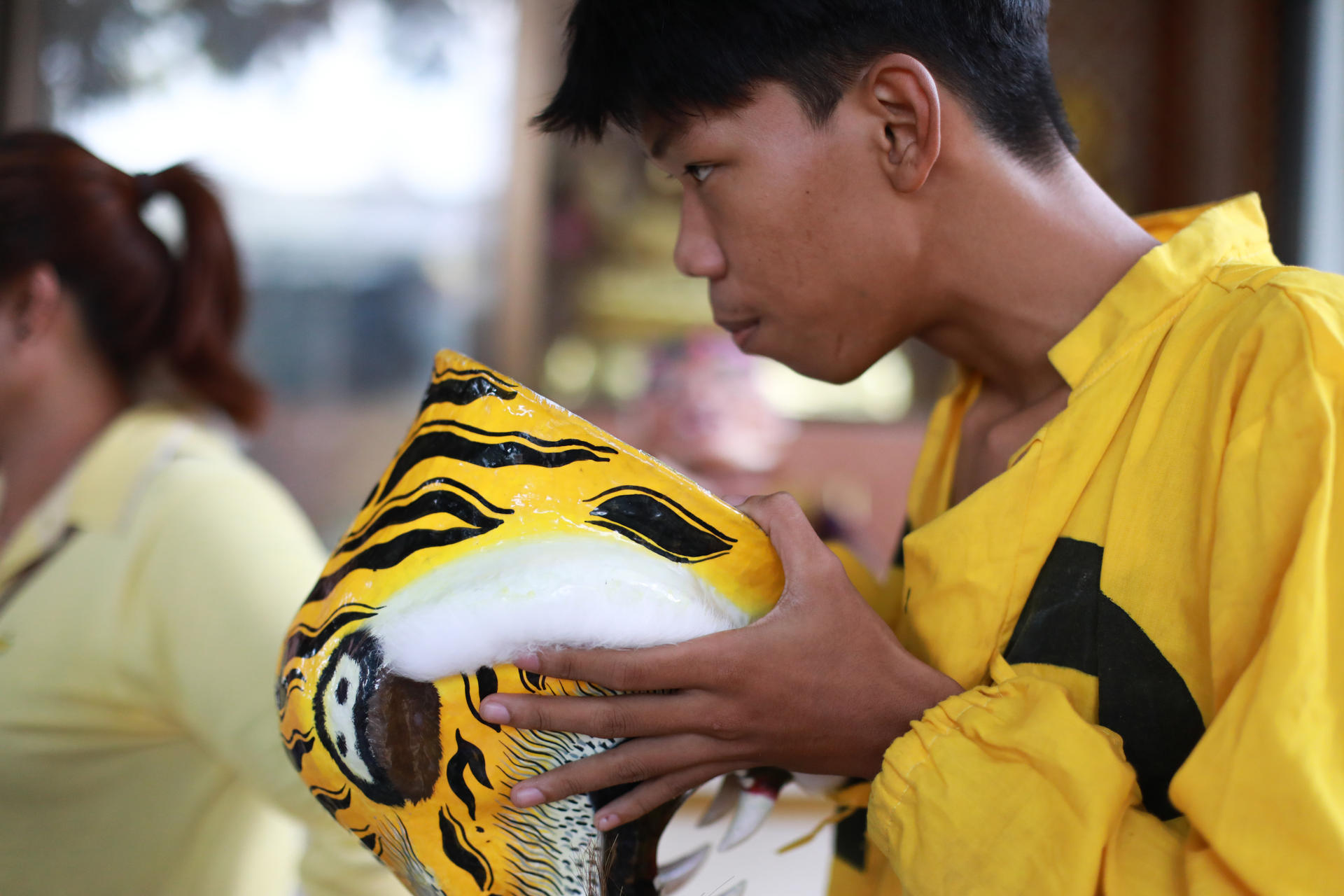
Along the canals of Thonburi, on the western side of Bangkok, a group of young performers gathers to bring an extraordinary Thai tradition to life. Wearing elaborate costumes and animal masks, they dance, tumble and engage in choreographed battles to the rhythm of live traditional music. Their performance is called Kratua Thaeng Suea (กระตั้วแทงเสือ), a traditional Thai folk performance combining martial movements, acrobatics, dance, music and theatrical storytelling.
The origins of Kratua Thaeng Suea are closely connected to an earlier form of entertainment known as Kra-ua Thaeng Khwai (กระอั้วแทงควาย), or Buffalo Stabbing Play. Originally associated with royal entertainment, this earlier performance is documented in Thai historical research as part of the courtly performing arts of the Ayutthaya and early Rattanakosin periods. Over time, its characters, storyline and performance techniques evolved into the more popular Kratua Thaeng Suea, which became rooted in local communities. This transformation from royal entertainment to popular performance is explored in Kriangkrai Honghengseng's research, Kraoua Tang Kwai and Kratua Tang Seua: History and Development of Ancient Amusement Play (2025), and Achira Thisapak's academic study, The Kratua Thaeng Suea (Thai Traditional Martial Play) (2021).
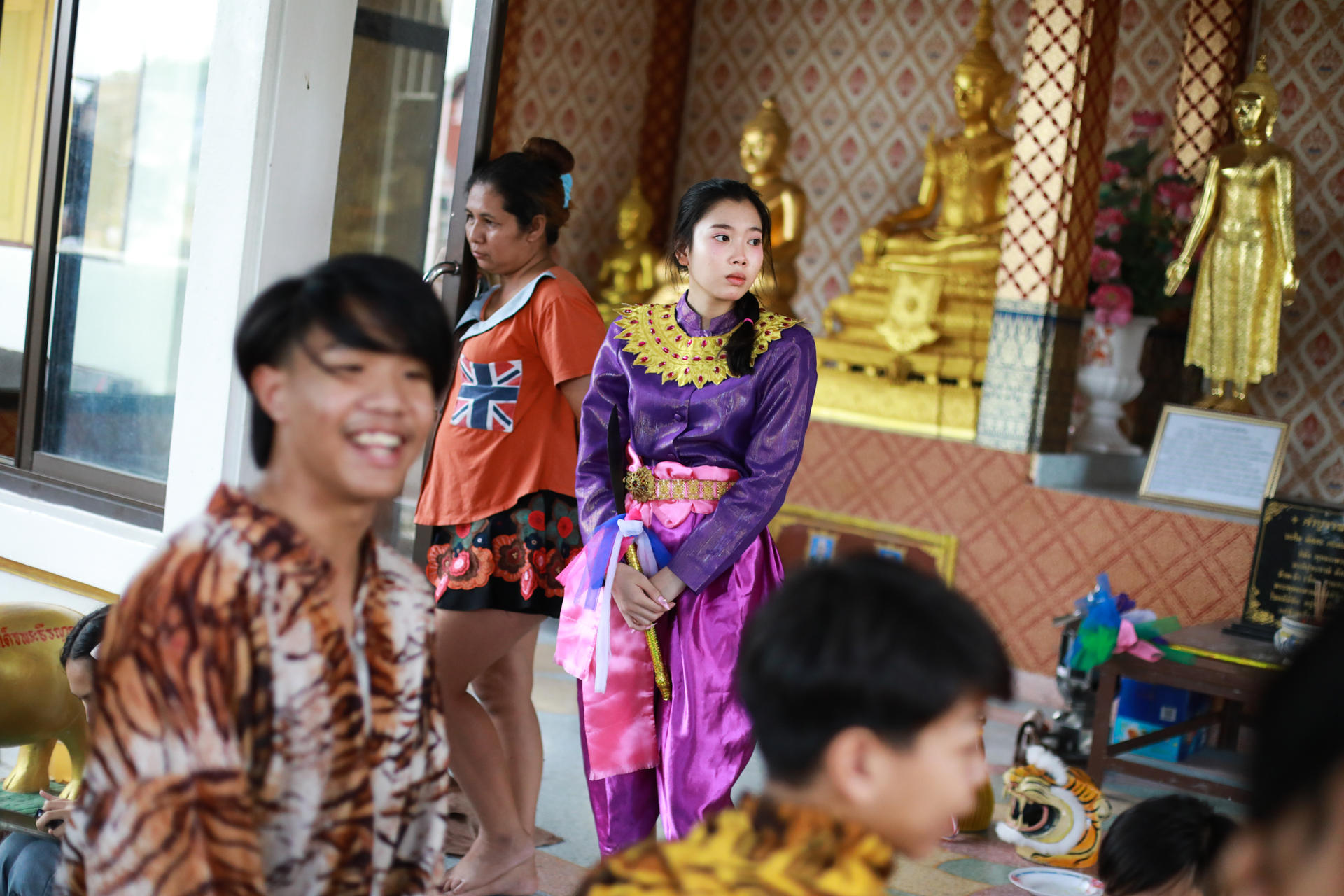
The performance tells the story of Bong Tan, a hunter who sets out with his wife and children to protect a town from a pack of tigers terrorising its inhabitants. Responding to the governor's call for someone to defeat the animals, Bong Tan and his family confront the tigers one by one. The characters include hunters carrying traditional weapons and performers dressed as tigers. The encounters unfold through choreographed combat, martial arts, acrobatic movements and comic exchanges. The story and its characters are documented in the Cultural Mapping Thailand heritage record PA-10600-00002, Kratua Thaeng Suea: Disciples of Luang Pu Phat, Wat Bang Sakae Nok, and in the Thai cultural heritage article Kratua Thaeng Suea published by Thailand's Ministry of Culture.
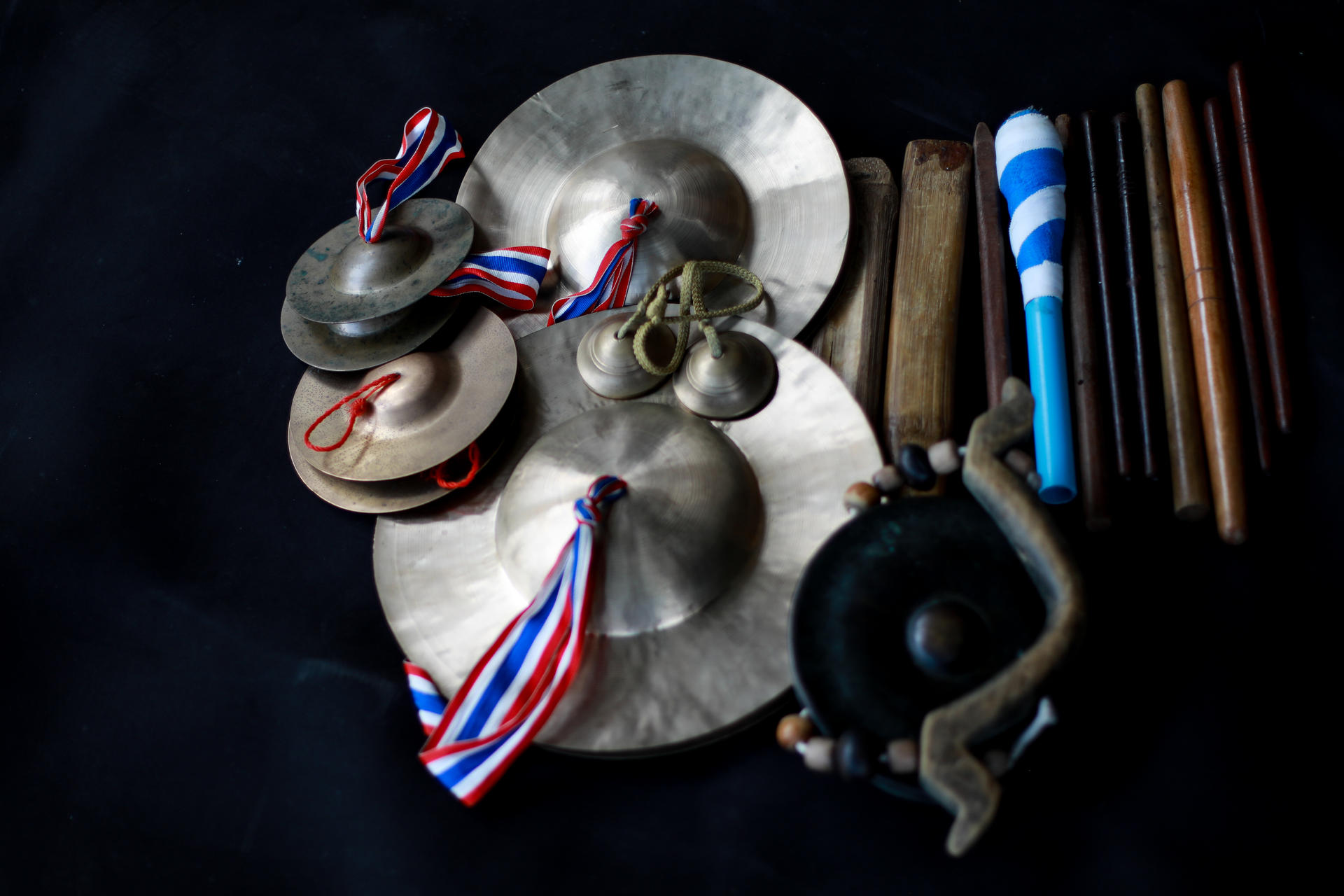
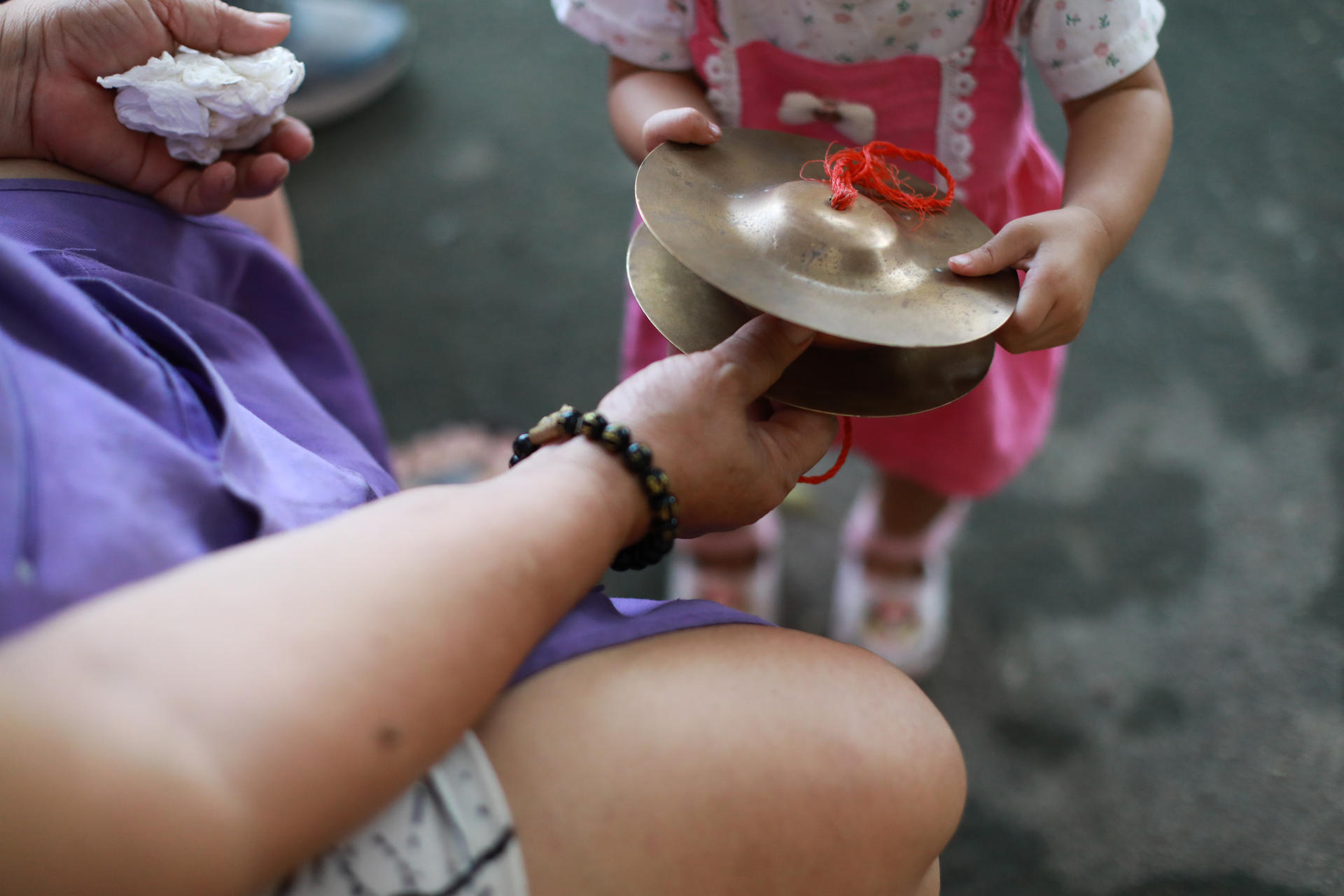
Live music drives the action, creating an energetic atmosphere through percussion, rhythmic patterns and singing. Instruments documented in different versions of the performance include the klong thon drum, klong chattri drum, small cymbals, larger cymbals, wooden clappers and gong. The singing also incorporates southern Thai musical influences, including melodic styles associated with Nora, a traditional southern Thai dance-drama.
Historically, Kratua Thaeng Suea was performed during major annual temple festivals, religious processions and Songkran celebrations. The tradition became deeply rooted in the social and cultural life of Thonburi, where local families and temple communities played an important role in passing it from one generation to the next.
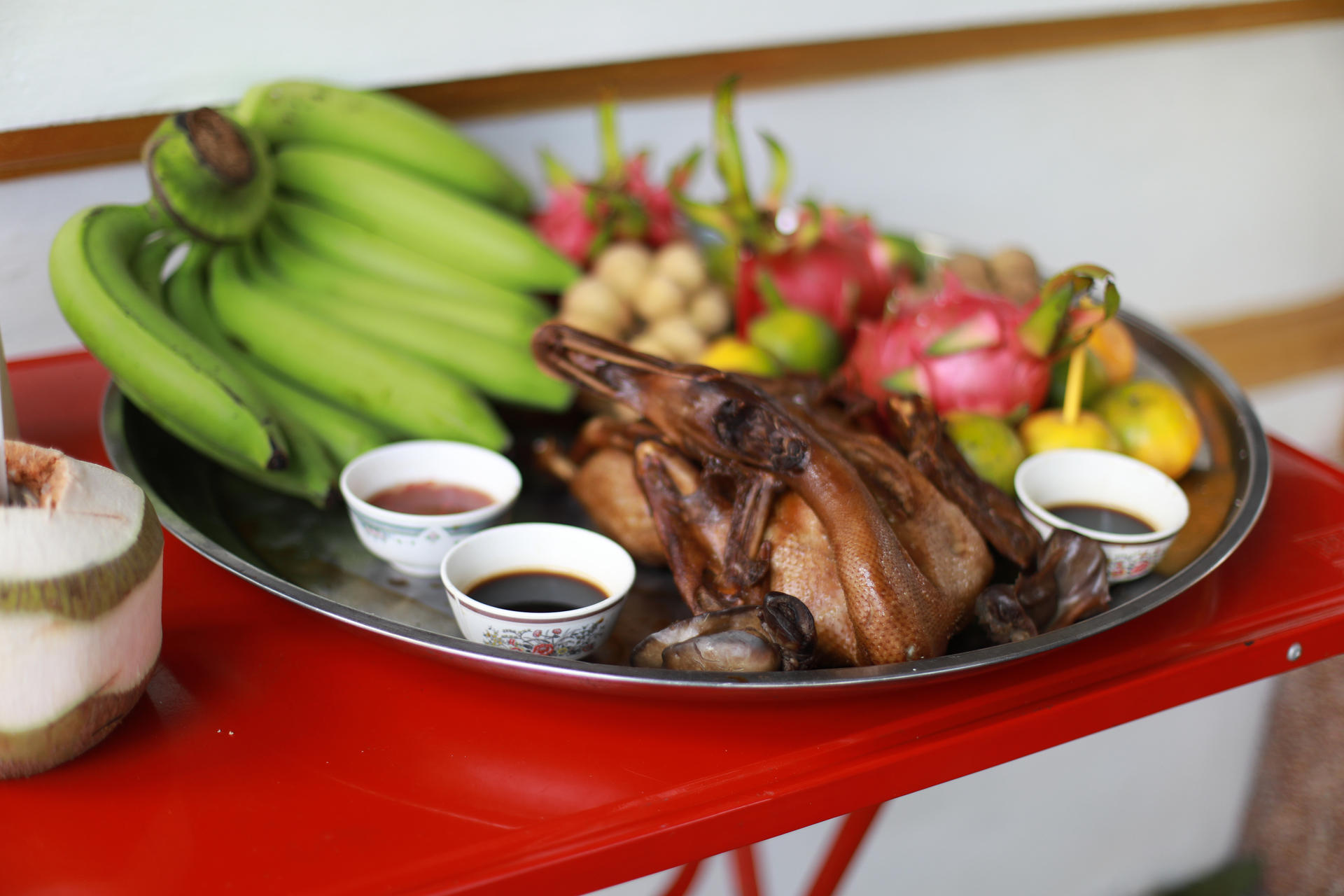
Today, opportunities to encounter Kratua Thaeng Suea have become increasingly rare. Performances are now largely associated with auspicious celebrations, religious merit-making events and Buddhist ordination ceremonies in neighbourhoods where local troupes continue to practise. According to the 2022 cultural heritage documentation by Paisan Suwannachai, fewer than 30 troupes were believed to remain across Thonburi.
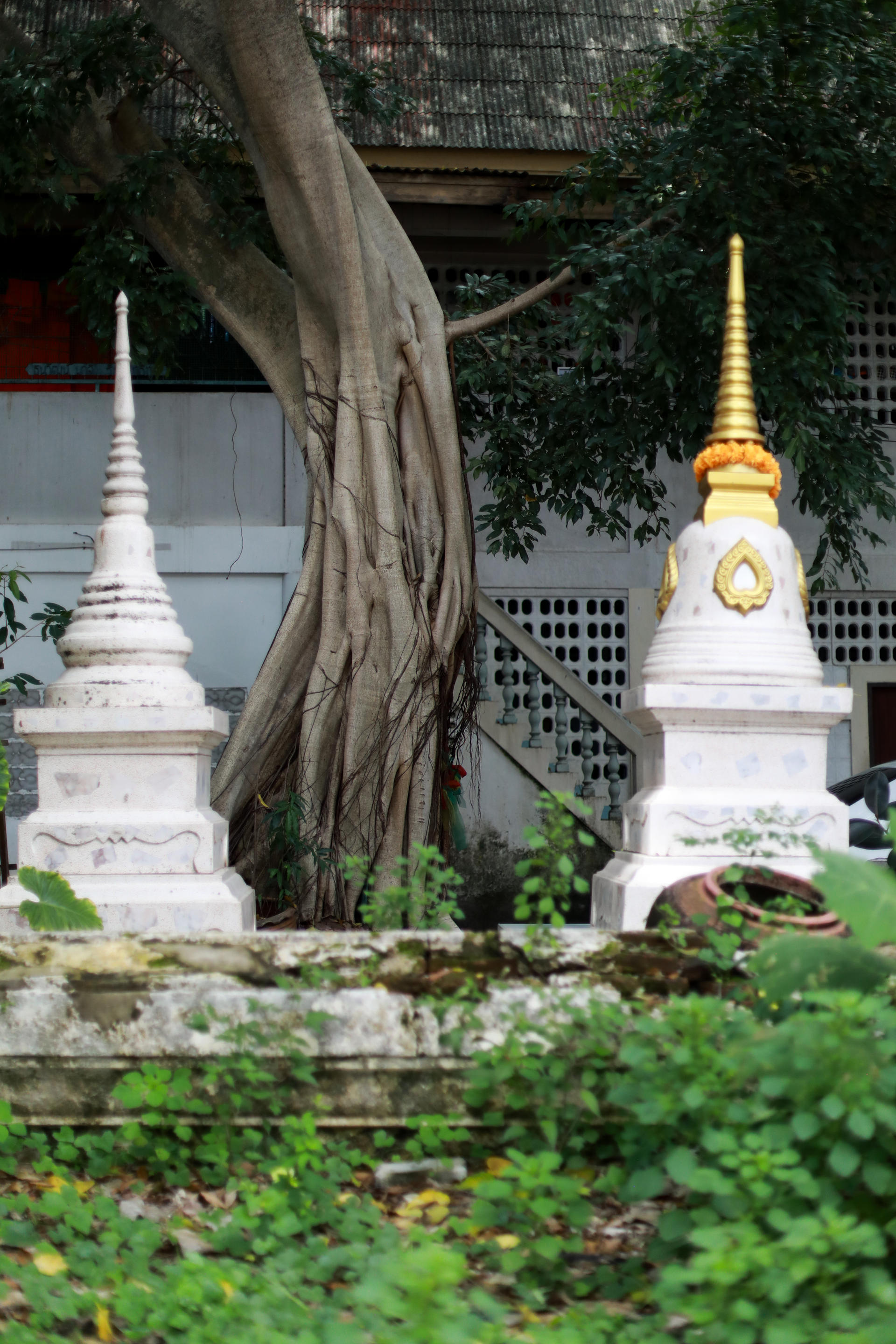
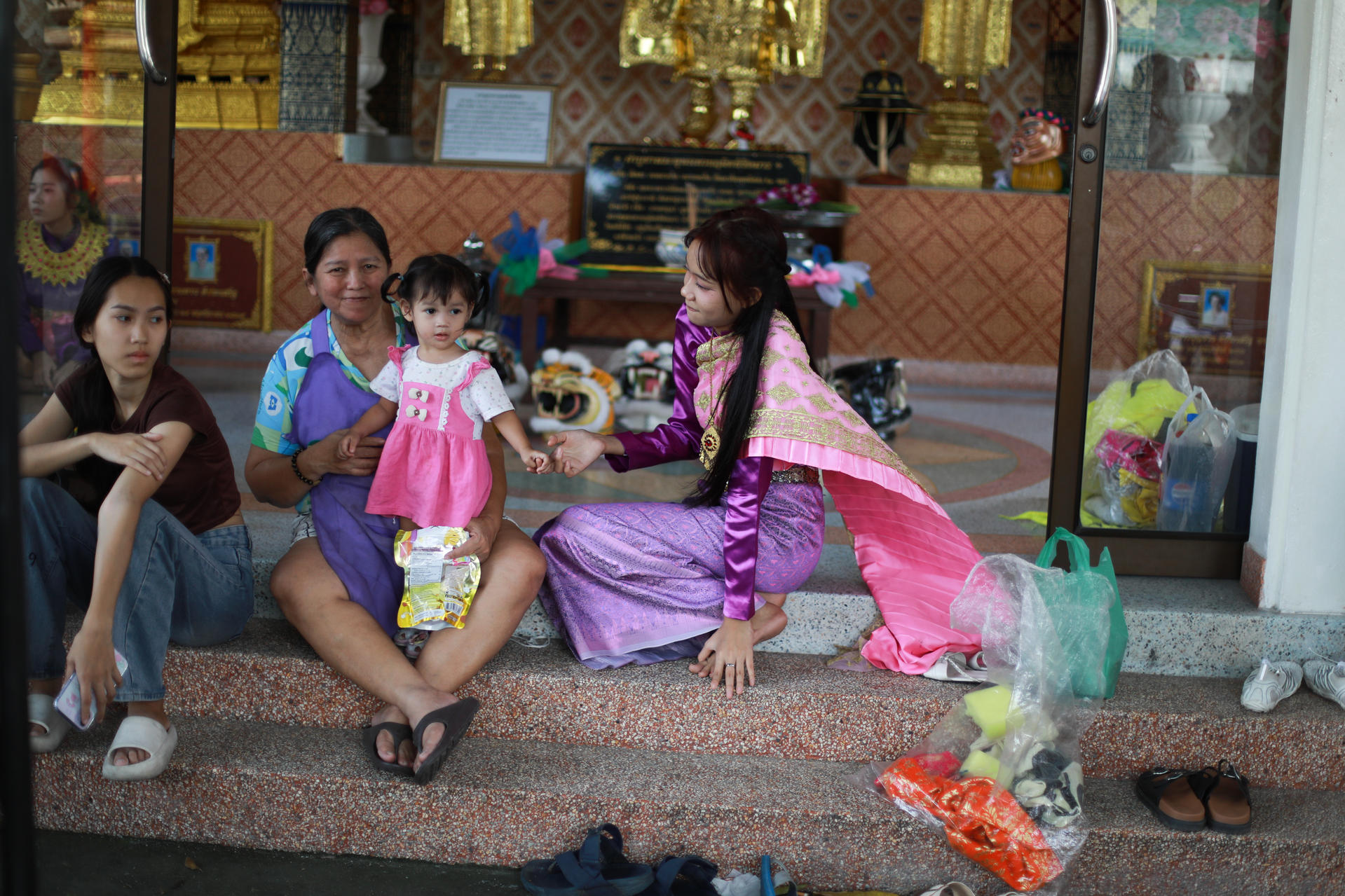
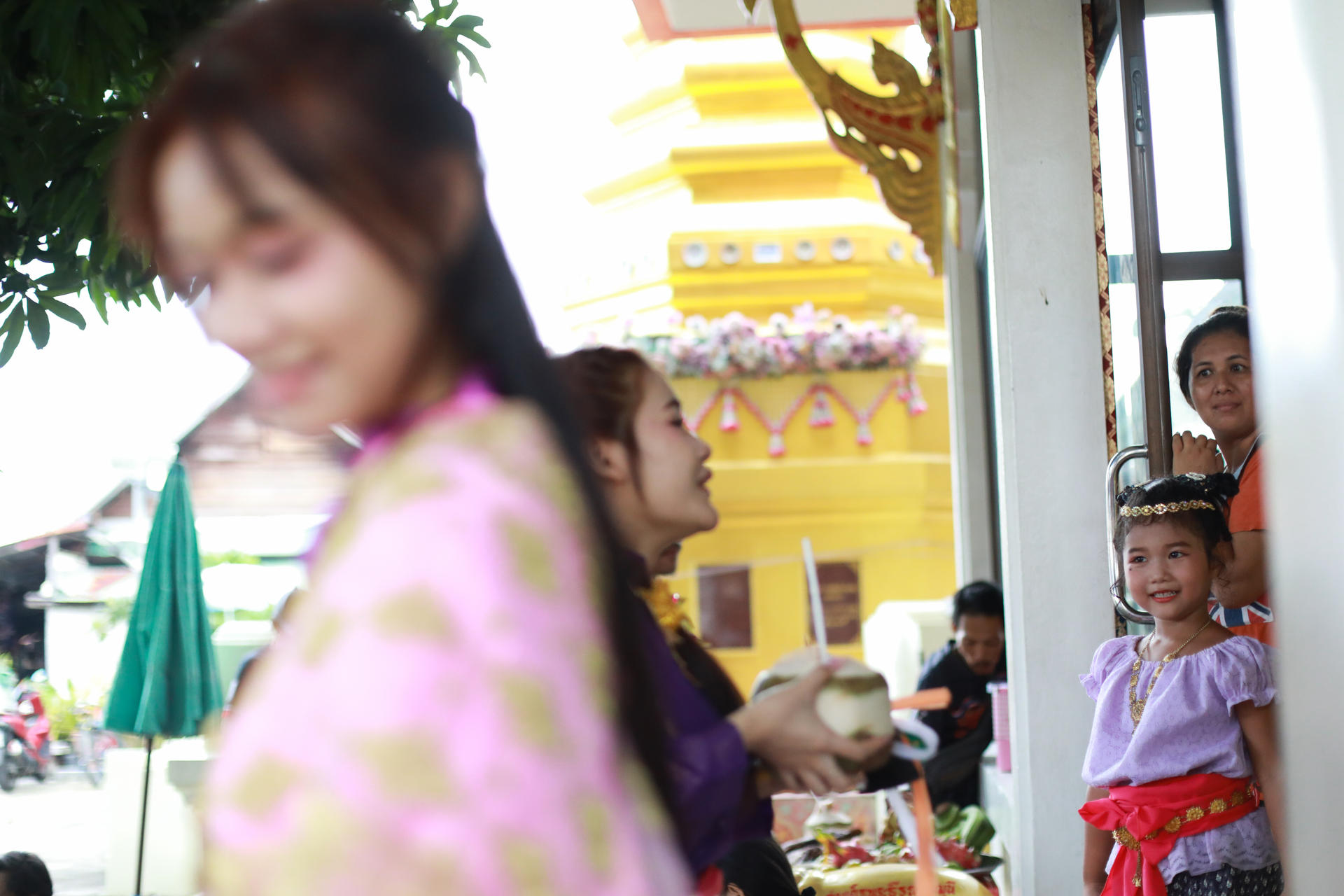
The photographs were made beside Wat Khuhasawan Worawiharn, along the historic Khlong Bangkok Yai canal in Thonburi. The temple itself has a history dating back to the Ayutthaya period, when it was known as Wat Sala Si Na. It was restored and renamed under King Rama I, becoming a royal monastery. Its location along the canal provides a historical setting for a performance tradition deeply connected to the religious and social life of Thonburi's neighbourhoods.
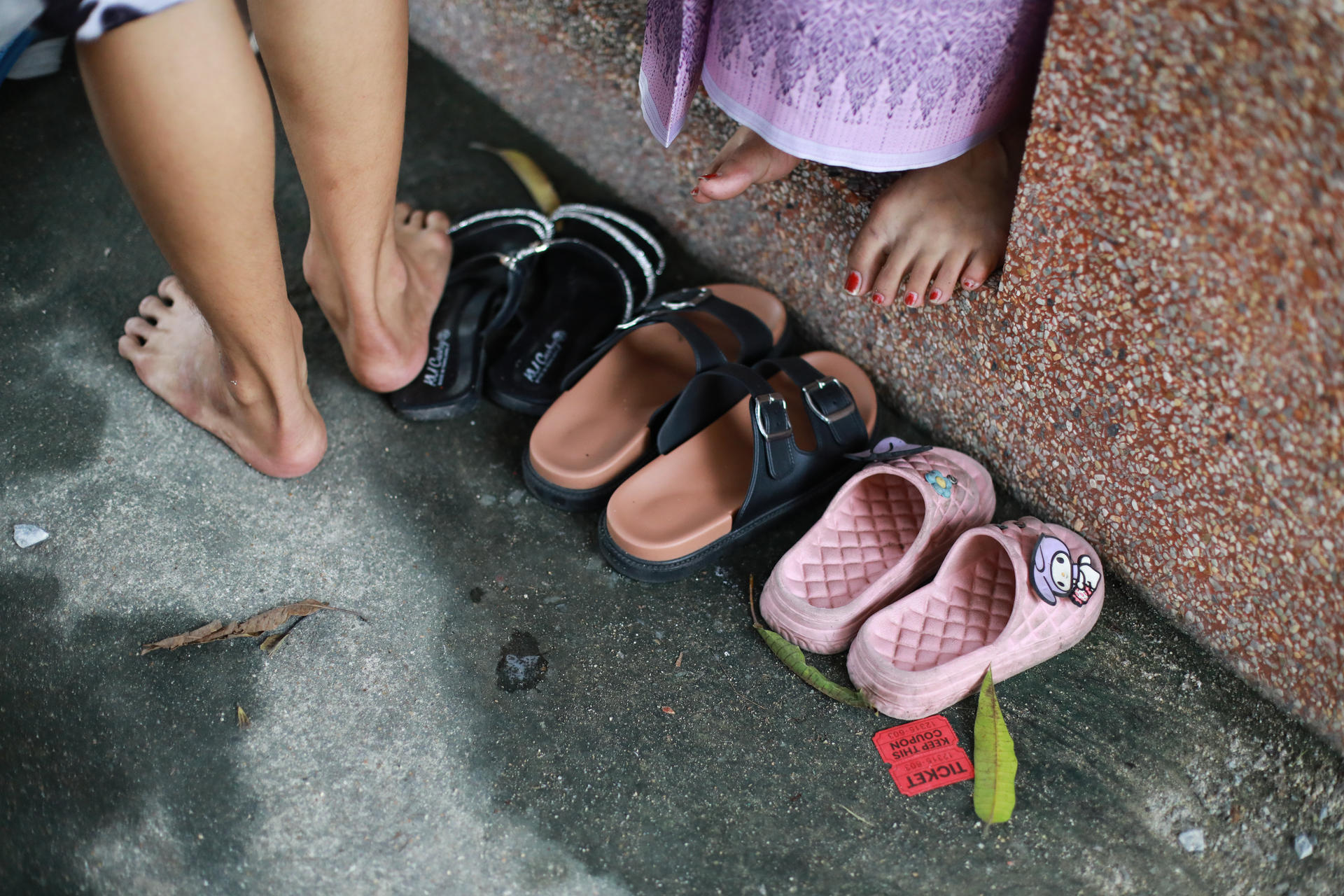
Tiger Man documents the young practitioners keeping this tradition alive, photographing their preparations, performances and interactions with the surrounding community. Set in the historic canal-side neighbourhood of Thonburi, the series explores the physicality, theatricality and collective spirit of a traditional performance that has survived through generations.Tiger Man is a story about cultural transmission, how an old performance survives through the commitment of a new generation, and how local communities continue to give life to traditions that might otherwise disappear.